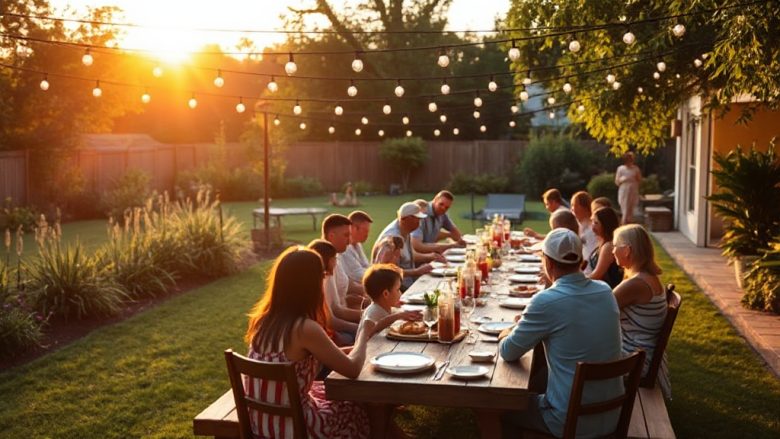
Summer evenings have a way of making even the simplest gathering feel like an occasion. The light lingers, the air stays warm, and people are far more willing to say yes to something that involves being outside. The tricky part is coming up with a plan that feels fresh rather than recycled from last year’s barbecue.
That’s where a good list of the best outdoor event ideas for summer earns its keep. Whether you’re organising a street party for forty neighbours, a company picnic for a hundred colleagues, or a relaxed garden supper for eight, there’s an option here that fits. Some cost almost nothing. Others need a small budget and a bit of forward planning. All of them work better than another identical burger-and-beer afternoon.
Ideas That Work for Different Crowds and Budgets
The ideas below are ordered roughly from smallest to largest, though most can be scaled up or down depending on your guest list. Pick two or three that suit your group and build the day around them rather than trying to do everything at once.
1. A Sunset Picnic With a Shared Table
Instead of everyone bringing their own blanket and food, set out one long table in a park, a field, or a wide garden. Ask each household to bring a dish and a bottle. The shared table does the social work for you, because nobody can hide in a corner when the seating is one continuous bench. Timing matters: start about ninety minutes before sunset so the light turns golden while people are still eating.
Practical tip: Bring a roll of masking tape and a marker so people can label their dishes, especially if allergies are a concern. It takes thirty seconds and saves a lot of awkward questions.
2. An Outdoor Film Night
A white sheet, a projector, and a decent speaker are all you really need. Wait until it’s properly dark, then screen something everyone has seen before so nobody misses plot points while chatting. Blankets, cushions, and a big bowl of popcorn complete the picture. This works beautifully in a back garden, a community hall lawn, or a school field with permission.
Practical tip: Test the projector and sound before guests arrive. Nothing kills the mood faster than twenty people watching you fiddle with cables in the dark.
3. A Neighbourhood Street Party
Close the road, drag out the trestle tables, and let the children chalk on the tarmac. A street party is one of the best outdoor event ideas for summer because it turns a place people usually hurry through into a place they linger. Ask each household to contribute one savoury dish and one sweet, and put a couple of people in charge of music and games.
Practical tip: Check whether your local council needs advance notice for a road closure. In many areas the process is simple, but it takes a few weeks, so start early.
4. A Company Picnic With Team Games
For workplace groups, the trick is to give people something to do besides stand around holding a paper cup. Set up a few low-stakes games: a three-legged race, a tug of war, a beanbag toss. Keep teams mixed so people from different departments end up together. A shaded area with seating matters more than most organisers expect, especially for anyone who doesn’t want to spend the whole afternoon in direct sun.
Practical tip: Book the venue and any equipment at least six weeks ahead. Summer weekends fill up fast, and the good spots go first.
5. A Garden Games Tournament
Croquet, boules, giant Jenga, and ring toss all work well as the backbone of a relaxed afternoon. Run a simple round-robin so everyone plays a few rounds, then finish with a final. Keep a scoreboard visible. The mild competition gives the event a shape, and it means people who don’t know each other well have an easy reason to talk.
Practical tip: Put someone in charge of the draw and the scores. A tournament without an organiser drifts into chaos by the third round.
6. A Riverside or Lakeside Gathering
Water makes any outdoor event feel like a small holiday. Find a spot with a bank, a jetty, or a shallow edge, and build the day around paddling, a picnic, and a slow afternoon of doing very little. Bring shade, because open water means very little natural cover.
Practical tip: Check the rules on fires, barbecues, and swimming before you commit. Some sites allow all three, others allow none, and turning up with a disposable grill you can’t use is a wasted journey.
7. A Midsummer Bonfire and Storytelling Evening
Once the sun goes down, a fire changes the whole atmosphere. Keep it simple: a safe fire pit, something to toast, and a few people willing to tell a story, read a poem, or share a memory. This suits smaller groups best, maybe fifteen to thirty people, and it works beautifully in a large garden or a permitted field.
Practical tip: Have water or sand within arm’s reach of the fire, and never leave it unattended. Check local rules on open fires, especially in dry spells.
8. A Scavenger Hunt Across the Neighbourhood
Write a list of things to find or photograph, split people into small teams, and send them out for an hour. The list can be as silly or as serious as you like. This one is brilliant for mixed-age groups because children and adults can contribute equally, and it gets everyone moving rather than sitting.
Practical tip: Set a clear boundary for the search area and a firm return time. Also decide in advance what the prize is, even if it’s just bragging rights and a box of chocolates.
9. An Outdoor Brunch or Breakfast Party
Everyone does evening events in summer. A morning gathering stands out. Set up a long table with pastries, fruit, coffee, and something cold, and invite people for ten o’clock. The light is gentler, the heat is manageable, and guests still have the whole day ahead of them. It’s also a kind option for anyone who struggles with late nights or long journeys home in the dark.
Practical tip: Offer shade and cold drinks from the start. Morning sun can be surprisingly fierce by eleven o’clock.
10. A Community Talent or Open-Mic Evening
Give people a small stage, a microphone, and a generous audience. Music, poetry, comedy, a magic trick, a short speech. Keep each act to five minutes and have a relaxed host to keep things moving. This works well as the finale to a larger event, or as a standalone evening in a garden or park with permission.
Practical tip: Sort out power and sound early. A battery-powered speaker avoids trailing cables across a lawn, and it’s one less thing to worry about.
Planning Details That Make the Difference
Most outdoor events succeed or fail on the boring bits. Seating, shade, water, and toilets matter more than decorations. If you’re expecting more than twenty people, think hard about where everyone will sit and where they’ll shelter if the sun gets too much.
Food is easier when it’s simple and shared. Potluck formats reduce cost and effort, and they give guests a reason to talk to each other. Just make sure someone is coordinating so you don’t end up with nine pasta salads and no plates.
Timing is another quiet factor. Late afternoon into early evening tends to be the sweet spot in high summer, when the heat has eased but the light is still good. If you’re planning anything that runs past dusk, sort out lighting in advance. A few strings of solar lights or a couple of lanterns transform a dark garden into somewhere people want to stay.
Weather Contingency: The Part Nobody Wants to Think About
Every outdoor event needs a plan B, even in a good summer. The trick is to decide what your threshold is before the day arrives. Will you move indoors, postpone, or carry on under cover? Tell guests your plan in advance so nobody is left guessing.
A few practical measures cover most situations. A pop-up gazebo or two handles light rain and provides shade in a heatwave. A marquee or a large open garage gives you a genuine fallback for bigger groups. If your event is in a public space, check whether there’s a nearby building you can retreat to.
For heat, shift the timing earlier or later, provide more shade, and keep water available throughout. For rain, have a covered area and a supply of towels. For wind, weigh down anything light and avoid tall, unsecured decorations.
And keep a simple message ready to send if you need to change plans. Something short and clear, sent the evening before or the morning of, saves a lot of confusion. A well-prepared host is a relaxed host, and a relaxed host is what makes an outdoor event feel easy for everyone else.
Frequently Asked Questions
What’s the best outdoor event idea for a small budget?
A shared-table picnic or a garden games afternoon. Both rely on what people already own, and the cost is mostly food and a few small prizes.
How far in advance should I plan a summer outdoor event?
For anything involving a booked venue, equipment hire, or a road closure, aim for six to eight weeks. Smaller garden gatherings can come together in a week or two.
What should I do if it rains on the day?
Have a covered area ready and decide your threshold in advance. If you’re moving indoors or postponing, tell guests as early as possible so they can adjust their plans.
How do I keep guests comfortable in hot weather?
Provide shade, plenty of cold water, and somewhere to sit. Schedule the main activities for late afternoon, and avoid anything strenuous in the middle of the day.