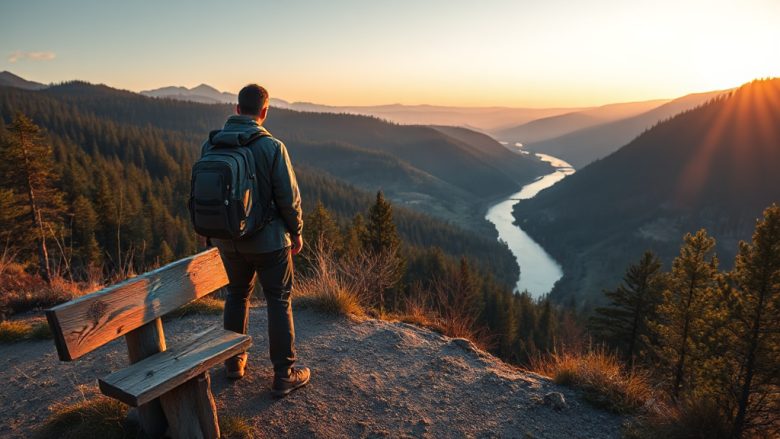
It’s 1pm on a Tuesday, you’ve got a rare free afternoon, and there’s a national park less than ninety minutes away. You open a map, feel a flicker of excitement, then talk yourself out of it. The drive eats two hours, the park is huge, and you’d barely scratch the surface before you had to turn around. So you stay home and scroll instead. That’s the trap most of us fall into, and it’s worth dismantling. National park visits for busy people aren’t a compromise version of the real thing. They’re a different discipline, and honestly, a rewarding one. A few focused hours in a good landscape can reset your head better than a whole weekend of half-hearted planning. The trick is to stop treating a short visit like a failed long one.
What follows is the approach I’ve landed on after years of squeezing park trips between work, family, and everything else. It’s about prioritisation, logistics, and accepting that you can’t see it all. You were never going to see it all anyway.
Choose the Right Park and the Right Piece of It
The single biggest mistake time-poor visitors make is choosing a park by reputation rather than by fit. A famous park three hours away is a worse use of an afternoon than a lesser-known one forty minutes down the road. Distance is the silent killer of short trips. Every extra mile adds driving fatigue that you’ll feel on the trail and on the way home.
Start by drawing a rough circle around where you live, maybe two hours’ drive at most. Inside that circle, list every national park, national scenic area, or protected landscape. You’ll usually find more than you expect. Then ask a simple question about each: what could I actually do in three hours there? Some parks are built for quick hits. A short loop trail, a viewpoint near the car park, a visitor centre with decent exhibits. Others reward deep immersion and punish rushed visits. Be honest about which is which.
Once you’ve picked a park, resist the urge to ‘do’ it. Instead, choose one small zone and treat that as your park for the day. Most large parks have distinct areas, each with its own character and its own access roads. A single valley, a single lakeshore, a single ridge. Pick one, learn its trail options, and let the rest of the park exist as a reason to come back. This isn’t settling. It’s how you avoid spending half your visit in a car park arguing about where to go.
If you’re genuinely unsure, look for parks with a concentrated hub. Places where the trailhead, the toilets, the café, and the best view are all within a ten-minute walk of each other. These exist more often than people realise, and they’re ideal when your window is tight.
Reading a Park Map Like Someone With Limited Time
Park maps are designed to show everything, which makes them overwhelming. Flip that. Look for the shortest named trail that leads to a feature you actually care about. A waterfall, a summit, a beach, an old growth grove. Ignore the long-distance routes entirely. They’re not for today.
Check the elevation profile if one is available. A two-mile trail that climbs 600 metres will take far longer than a flat four-mile one, and it’ll leave you sweatier and slower on the drive home. For an afternoon visit, gentle gradients and good surfaces are your friends. Save the scrambles for when you have a full day.
Also note the one-way driving times within the park. Some parks have internal roads that look short on paper but take forty minutes because of speed limits, wildlife, and switchbacks. If the trailhead is an hour past the entrance, that’s two hours of your afternoon gone before you’ve walked a step.
Build a Route That Fits the Hours You Actually Have
Time budgeting is where short visits succeed or fail. Most people underestimate driving and overestimate their own pace. A realistic afternoon looks like this: leave with a full tank, arrive at the trailhead within your planned window, walk for roughly half the remaining time, then leave a buffer for the return. That buffer matters. Traffic, a wrong turn, a longer-than-expected trail, a sudden downpour. Something will nibble at your schedule.
I like to work backwards. Say you need to be home by 7pm. The drive is 75 minutes each way, so you need to leave the park by 5:15pm at the latest. If you arrive at 2:30pm, you’ve got two hours and forty-five minutes on the ground. Subtract twenty minutes for parking, toilets, and faffing, and you’ve got a solid two and a half hours. That’s a proper hike. That’s a swim and a picnic. That’s a viewpoint and a slow coffee. Plenty.
The mistake is arriving without a plan and spending the first thirty minutes reading information boards. Do that research at home. Know your trail, know your turnaround time, and know where you’ll park. If the main car park is likely to be full, have a backup in mind. Popular parks fill up fast on weekends and holidays, and circling a car park is the fastest way to waste an afternoon.
One more thing: decide your turnaround point before you set off. Not a time, a place. A specific rock, bridge, or junction where you’ll turn around no matter how good you feel. This stops the classic short-visit spiral where you keep going ‘just a bit further’ and end up jogging back in the dark. The park will still be there next time.
What to Pack for a Half-Day Park Visit
You don’t need expedition gear. You need to be comfortable, dry, and fed. A small daypack with water, a snack or two, a waterproof layer, and a basic first aid kit covers most situations. Wear shoes with actual tread. Trainers are fine on easy paths, but if there’s any chance of mud or rock, proper shoes save your ankles and your mood.
Check the weather forecast the night before and again in the morning. Mountain and coastal weather shifts quickly, and a sunny forecast at home doesn’t always translate to the park. A lightweight rain jacket weighs almost nothing and turns a miserable walk into a pleasant one.
Bring more water than you think you need. Even a short walk dehydrates you faster than you’d expect, especially if there’s any climbing involved. And keep a spare set of clothes in the car. You’ll thank yourself on the drive home.
If you’re visiting with kids or anyone who needs convincing, snacks are non-negotiable. A well-timed biscuit has rescued more family walks than any amount of enthusiastic encouragement.
Make the Short Visit Feel Worth It
Here’s the mindset shift that changes everything. A short visit isn’t about coverage. It’s about attention. When you know you only have a couple of hours, you stop rushing toward the next thing and start noticing the thing you’re actually in. The smell of pine after rain. The way light moves across a valley. The sound of a river you can’t quite see. These are the details that make a place memorable, and they’re available in the first ten minutes as much as the tenth mile.
Slow down deliberately. Pick a spot halfway through your walk and just sit for ten minutes. No phone, no agenda. It sounds trivial, but it’s often the part people remember most. The park doesn’t care how far you walked. It cares that you showed up.
If you’re the type who needs a goal, give yourself a small one. Reach a particular viewpoint. Find a quiet spot for lunch. Take one photograph you’re genuinely proud of. Small goals are achievable in short windows and give the visit a shape without turning it into a race.
And if you can, go on a weekday or early in the morning. The difference between a crowded park and a quiet one is often just a couple of hours. An early start also buys you more daylight, which matters more than most people realise when the afternoons start drawing in.
A Quick Recap
National park visits for busy people come down to a few habits. Choose a park close to home and a small zone within it. Budget your time backwards from when you need to be home. Pack light but pack properly. Turn around at a fixed point, not a feeling. And treat the visit as an exercise in attention rather than coverage. Do that, and an afternoon in a national park stops feeling like a compromise. It becomes the best few hours of your week.